Last updated: March 31, 2026 • Author: Effortless Mortgage
What is a private mortgage in Ontario? It is a home loan secured by real estate that comes from an individual investor or private lending company instead of a traditional bank or credit union.
Your bank declined your mortgage application, your credit score took a hit during a divorce, or your self-employed income looks different on paper than it does in reality. Traditional lenders have turned you away, but you still need financing for your home.
This is where a private mortgage becomes your solution.
Unlike conventional mortgages that follow rigid qualification criteria, private mortgage lending focuses primarily on your property’s value and the equity you hold or downpayment you have. These loans fill a critical gap for Canadians who face temporary financial challenges, have non-traditional income, or need funding faster than banks can provide. While rates are higher, private mortgages offer accessibility when you need it most and typically serve as short-term bridge financing until you can transition to traditional lending.
TL;DR
TL;DR:
-
A private mortgage is a home loan from an individual or private lender instead of a bank or credit union.
-
It can help when a bank says no due to bad credit, self-employed income, divorce, debt issues, urgent timing, or property concerns.
-
Approval is based more on your property value, available equity, or down payment than on strict bank-style income rules.
-
Private mortgages usually fund faster than traditional lenders, which is why they are often used as a short-term solution.
-
The tradeoff is higher rates and added fees, so they work best when there is a clear reason and an exit plan.
-
In most cases, a private mortgage should be treated as a bridge to a better long-term mortgage later.
Key Takeaways
- A private mortgage loan comes from individual investors or private lending companies, not banks or credit unions
- Approval is based primarily on property equity (typically 15-20% minimum) rather than credit scores or income verification
- Rates in Ontario range from 4.99% to 12.99%, with first mortgages starting at 5.99% and second mortgages at 8.99%
- Terms typically run 6-24 months, designed as short-term bridge financing
- Approval happens in 24 hours with funding within 24-72 hours—significantly faster than traditional mortgages
- Most borrowers transition to bank mortgages within 12-24 months after improving their financial situation
- Effortless Mortgage offers $0 broker fees on in-house private mortgages, eliminating a typical 1-2% cost
How Private Mortgages Work
Private mortgage lending operates outside the traditional banking system, creating financing options for borrowers who don’t fit into standard lending boxes. These mortgages come from two main sources: individual investors who lend their own capital seeking higher returns, and private lending companies that pool funds from multiple investors to create lending portfolios.
The key distinction is the approval criteria. While A-lender banks focus heavily on your credit score (typically requiring 680+) and verifiable employment income, private lenders prioritize the security of their investment—your property. This shift changes everything for borrowers facing credit challenges, income verification difficulties, or time constraints.
How Private Mortgages Differ From Traditional Lending
Qualification Focus:
- Traditional banks: Credit score, debt ratios, employment verification, extensive documentation
- Private lenders: Property value, equity position, exit strategy
Processing Time:
- Traditional banks: 3-6 weeks for approval and funding
- Private lenders: 24-48 hours for approval, 3-5 days for funding
Documentation Requirements:
- Traditional banks: Tax returns, pay stubs, employment letters, credit reports, extensive financial history
- Private lenders: Property appraisal, proof of down payment/equity, identification
Interest Rates:
- Traditional banks: 3.5-4.5% (approximate current range)
- Private lenders: 5.99-12.99% depending on risk factors
This structure allows private lenders to approve mortgages that banks cannot, but it comes at a cost premium that reflects the higher risk they’re accepting.
Who Needs a Private Mortgage?
Now that you know how private mortgages differ from traditional lending, let’s examine the specific situations where they make sense. Private mortgage loans serve specific situations where traditional lending falls short. Recognizing whether your circumstances align with private lending helps you make informed financing decisions.
Recent Credit Challenges
Life throws curveballs that damage credit scores: job loss, unexpected medical expenses, divorce settlements, or business setbacks. If you’ve experienced bankruptcy (especially within the last 2 years), have an active consumer proposal, or saw your credit score drop below 600, private lending provides a path forward while you rebuild.
A bank sees a 540 credit score and immediately declines. A private lender sees a $600,000 property with a $400,000 mortgage request and 33% equity cushion—that’s their security, and your credit history becomes less important.
Self-Employed Income
You run a successful business generating $150,000 annually, but your tax returns show $60,000 because you’ve maximized legitimate deductions. Banks base approval on reported income, creating a frustrating paradox: your business acumen actually works against you. Private mortgage lending solves this by eliminating income verification requirements entirely.
Contractors, commission-based sales professionals, cash-intensive businesses (restaurants, retail), and freelancers frequently find private mortgages more accessible than navigating traditional lending’s documentation maze.
For more self employed mortgage help and support, read our blog: Self Employed Mortgage Guide
Urgent Timing Requirements
Real estate investors closing on a property in 14 days, homeowners facing foreclosure who need immediate refinancing, or buyers who received a last-minute bank decline all share one thing—time pressure. Private lenders can move from application to funding in less than a week, while banks require 3-6 weeks minimum.
Property-Specific Issues
Your property needs significant repairs, sits in a rural location banks consider high-risk, or has unique characteristics (acreage, mixed-use, seasonal) that traditional lenders flag. Private lenders evaluate case-by-case, often approving properties banks automatically decline.
Debt Consolidation With Damaged Credit
Credit card balances at 24-28% interest rates destroy monthly cash flow. You have $80,000 in equity but banks won’t approve refinancing because your credit score dropped to 580 from late payments caused by the very debt you’re trying to consolidate. A personal mortgage through private lending breaks this cycle by prioritizing your equity over your credit history.
Read our blog: Five Steps to Boost Your Credit Score Fast
How Private Mortgages Work: The Process
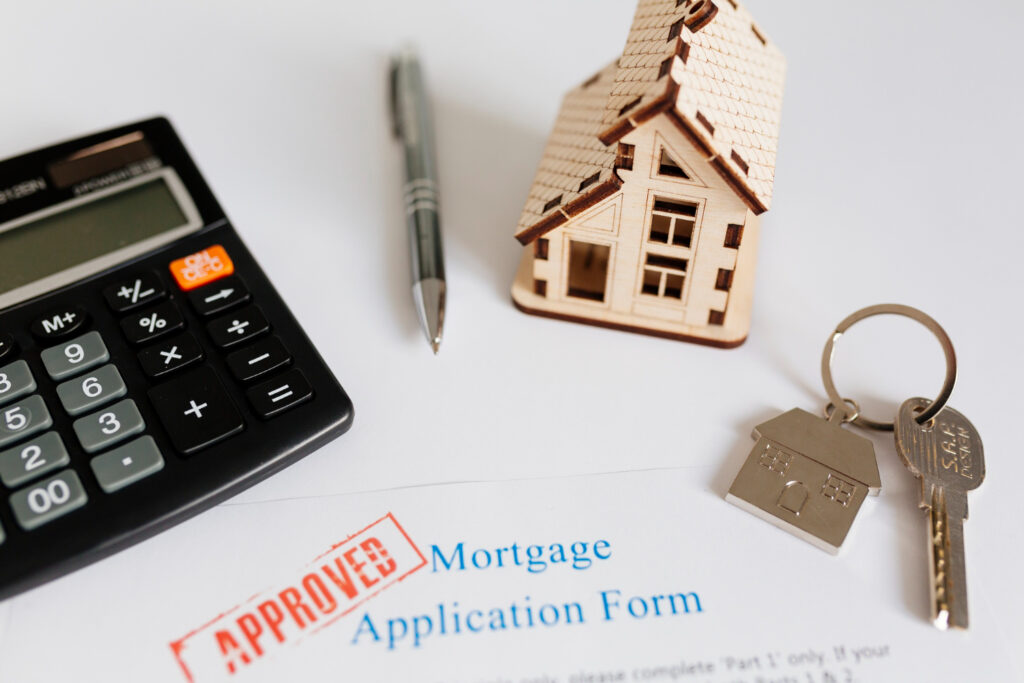
With a clear picture of who benefits from private mortgages, let’s walk through the actual application and approval process. The application and approval process for private mortgages differs significantly from traditional lending, typically moving faster with fewer documentation hurdles.
Step 1: Initial Consultation and Qualification
- You contact a mortgage broker (like Effortless Mortgage) who specializes in private mortgage lending and discuss your situation. The broker asks key questions:
Property value (approximate) - Existing mortgage balance (if any)
- Down payment amount (for purchases) or equity position (for refinances)
- Urgency of funding need
- Basic financial situation
Within hours, the broker provides an initial assessment of whether private financing makes sense and what rate range you’d likely qualify for.
Step 2: Property Appraisal
Private lenders require a professional appraisal to establish the current market value. The appraiser visits your property, examines the condition and features, and compares recent sales of similar properties in your area. This costs $300-$500 and typically takes 3-5 business days.
The appraisal serves as the lender’s primary risk assessment tool. They’re lending against the property value, so confirming that value is essential.
Step 3: Approval and Rate Confirmation
Once the appraisal comes back clean (no major condition issues or value concerns), you receive formal approval with a confirmed interest rate. Rate determination depends on multiple factors, including your equity position, property location and condition, and exit strategy clarity.
Several key variables affect your specific rate. Fora detailed explanation of what influences pricing, our guide on factors affecting private mortgage rates breaks down how lenders calculate risk and set rates.
Read our blog: Your Complete Guide to Private Lenders Ontario for Better Private Mortgage Rates
Step 4: Legal Documentation and Closing
You work with a real estate lawyer who prepares mortgage documents, conducts title searches, and ensures proper registration of the mortgage lien. The lender advances funds to your lawyer, who pays out your existing mortgage (if refinancing), distributes proceeds according to your instructions, and registers the new mortgage.
Total time from application to funding: typically 5-7 business days, though rush situations can close in 24-72 hours.
Private Mortgage Rates and Costs in Ontario
After understanding the process, the most pressing question becomes cost. Private mortgage loan costs exceed traditional bank rates, but they provide access where banks cannot. Knowing the full cost structure helps you budget appropriately and plan your exit strategy.
Interest Rate Ranges
Current Ontario private mortgage rates (as of early 2026):
- First mortgages: 5.99% – 9.99%
- Second mortgages: 8.99% – 12.99%
- Overall range: 4.99% – 12.99%
Your specific rate within these ranges depends on:
- Equity position: More equity = lower rates (30%+ equity typically qualifies for best rates)
- Property location: Greater Toronto Area properties often receive better rates than rural locations
- Property condition: Well-maintained homes in desirable neighborhoods qualify for lower rates
- Exit strategy: Clear path back to traditional lending (credit repair plan, income documentation improvement) can improve rates
- Loan-to-value ratio: Lower LTV ratios (borrowing less relative to property value) mean lower risk and better rates
For a detailed analysis of Ontario-specific rates and current market conditions, consult our rates guide for private lenders in Ontario.
Additional Costs
Beyond interest rates, private mortgages include several closing costs:
Lender Fees: 1-2% of the mortgage amount (often added to the mortgage rather than paid upfront). However, Effortless Mortgage waives broker fees entirely on in-house private mortgages—saving you $2,000-$6,000 on a typical mortgage.
Appraisal: $300-$500 depending on property type and location
Legal Fees: $1,000-$2,000 for lawyer services, including title search, document preparation, and registration
Discharge Fees: If paying off an existing mortgage, your current lender charges $200-$350 for discharge administration
Example total cost breakdown for a $300,000 private mortgage:
- Lender fee (1%): $3,000 (often $0 with Effortless Mortgage)
- Appraisal: $400
- Legal fees: $1,500
- Discharge fee: $300
- Total closing costs: $5,200
Many borrowers roll these costs into the mortgage rather than paying them upfront, preserving cash reserves.
Interest-Only Payment Options
Most private mortgage loans offer interest-only payments rather than requiring principal and interest payments. This reduces monthly payment obligations significantly.
Example comparison on a $300,000 mortgage at 7.99%:
- Principal + interest payment (25-year amortization): $2,253/month
- Interest-only payment: $1,998/month
- Monthly savings: $255
This structure makes private mortgages more affordable on a monthly basis despite higher interest rates, providing breathing room while you work on improving your financial situation.
The Exit Strategy: Transitioning to Traditional Lending
Given the higher costs involved, having a clear plan to transition back to traditional lending is essential. Private mortgages are designed as temporary bridge financing, not long-term solutions. Most borrowers successfully transition to bank mortgages within 12-24 months by following a strategic improvement plan.
Credit Score Rebuilding
If credit challenges caused your need for private financing, focus on:
- Making all mortgage payments on time (most critical factor)
- Paying down credit card balances below 30% of limits
- Keeping old credit accounts open (length of credit history matters)
- Avoiding new credit applications
- Disputing any errors on your credit report
A typical timeline: Starting at 580 credit score, consistent on-time payments and debt management can raise your score to 650+ within 12-18 months—sufficient for B-lender approval and significantly better rates.
Income Documentation Development
Self-employed borrowers can strengthen their qualification by:
- Filing taxes consistently and on time
- Accumulating 2+ years of tax returns
- Organizing financial statements (especially for incorporated businesses)
- Increasing reported income strategically when approaching refinance time
- Working with accountants who understand mortgage qualification implications
Equity Building Through Market Appreciation
Property value increases improve your loan-to-value ratio without any action on your part. In appreciating markets, a $300,000 mortgage on a property that grows from $450,000 to $500,000 in value drops your LTV from 67% to 60%—making you more attractive to traditional lenders.
The combination of credit improvement, better income documentation, and natural equity building typically creates qualification for B-lenders within 12-18 months and A-lenders within 24-36 months. Your mortgage broker should actively work with you throughout your private mortgage term to monitor progress and time your transition optimally.
Advantages and Disadvantages of Private Mortgages
Before committing to a private mortgage loan, you need to weigh both sides of the equation. Every financing option involves trade-offs. Private mortgages offer distinct benefits while requiring acceptance of higher costs and shorter terms.
Advantages
Accessibility When Banks Decline: The most obvious benefit—you get approved when traditional lenders say no. For someone facing foreclosure, going through divorce, or trying to buy an investment property with recent credit issues, accessibility outweighs cost considerations.
Speed of Approval and Funding: From application to funded mortgage in 5-7 days (sometimes 2-3 days for rush situations) versus 3-6 weeks for traditional mortgages. Real estate investors particularly value this speed when securing time-sensitive opportunities.
No Income Verification Required: Self-employed borrowers, those with cash income, or individuals between jobs can qualify without proving income through traditional documentation. Your equity position is sufficient.
Flexible Qualification Criteria: Credit scores below 500 can be approved. Active bankruptcies or consumer proposals are acceptable. Property condition issues that banks flag become negotiable rather than automatic declines.
Interest-Only Payment Options: Lower monthly obligations preserve cash flow, especially valuable when you’re using the mortgage to consolidate high-interest debt or addressing temporary income disruptions.
Disadvantages
Higher Interest Rates: Rates of 6-12% versus 3.5-4.5% for bank mortgages represent significant additional cost. On a $300,000 mortgage, the difference between 4% and 8% is $12,000 annually in interest costs.
Shorter Terms: Most private mortgages have 6-24 month terms versus the 5-year terms common with banks. This means you’ll face renewal sooner and must have a clear exit strategy.
Additional Closing Costs: Lender fees and appraisal costs add $2,000-$8,000+ to your borrowing costs (though Effortless Mortgage eliminates broker fees, reducing this significantly).
Lump Sum Payment at Term End: Unless you transition to new financing, the full mortgage balance becomes due when your term ends. While renewal is usually available, having a plan to move to traditional lending saves substantial interest over time.
The value proposition is clear: accept higher short-term costs to gain access to financing that solves immediate problems or enables opportunities, then execute a transition plan back to traditional lending within 1-2 years.
When Private Mortgages Make Financial Sense
With a complete picture of costs, benefits, and drawbacks, you can assess whether your situation justifies private financing. Not every situation calls for private financing. These scenarios typically justify the additional costs:
Scenario 1: Facing Foreclosure or Power of Sale
Your bank has sent default notices, and foreclosure proceedings have started. A private mortgage to refinance and bring payments current saves your home and credit rating. The higher interest rate is temporary; losing your home is permanent.
Scenario 2: Debt Consolidation With Major Monthly Savings
You’re paying $3,500 monthly across multiple high-interest debts. A private mortgage consolidation reduces this to $2,000 monthly despite a 7.99% rate. The $1,500 monthly savings provides immediate relief and prevents further credit damage, while you work on qualifying for traditional refinancing within 18 months.
Scenario 3: Real Estate Investment Opportunities
An investment property appears at 15% below market value, but it closes in 14 days. Traditional lending can’t move that fast. A private mortgage at 7.5% for 12 months lets you secure the property, add value through renovations, then refinance to a traditional mortgage based on the increased value and rental income.
Scenario 4: Separation or Divorce Buyouts
Your separation agreement requires you to buy out your ex-spouse’s equity within 60 days, but your income alone won’t qualify at banks. A private mortgage provides the buyout funds immediately, and you refinance to traditional lending after establishing solo payment history.
Scenario 5: Self-Employed With Strong Income but Weak Documentation
Your business generates $180,000 annually in actual income, but tax returns show $75,000. Rather than waiting 2+ years to build tax history showing higher income, a private mortgage gets you into your home now at current prices, and you refinance once you have the required documentation.
Learn How to Apply for a Private Mortgage in Ontario…Step-by-Step Guide
Take Control of Your Financing Options

Private mortgage lending provides crucial access to financing when traditional lenders cannot help. While costs exceed bank mortgages, the value lies in solving immediate problems—preventing foreclosure, enabling investment opportunities, consolidating crushing debt, or accessing homeownership despite credit challenges. These loans buy you time to improve your financial situation while meeting urgent needs today.
The key is approaching private mortgages strategically: use them to solve specific short-term problems, minimize costs by working with brokers who offer $0 fees, and execute a clear plan to transition to traditional lending within 12-24 months. With proper guidance, private mortgages become valuable financial tools rather than expensive long-term solutions.
At Effortless Mortgage, we specialize in private mortgage solutions with our in-house lending that eliminates broker fees entirely. Our team has secured approvals for hundreds of borrowers banks declined, often funding within 48 hours. We don’t just arrange your private mortgage—we develop your customized transition plan to bank lending, working with you throughout the term to make that transition successful. Contact us for a no-obligation consultation at (888) 978-4984. Your financial roadblock has a solution.
FAQs
Will I qualify for a private mortgage with a 500 credit score?
Yes, private lenders regularly approve borrowers with credit scores from 400-550. Your credit score is less important than your equity position. With at least 20% equity in your property or downpayment, approval at a 500 credit score is standard. Rates will be higher than someone with a 650 score, but accessibility is the primary benefit.
Can I get a private mortgage if I'm currently in bankruptcy?
Yes. Private lenders approve mortgages for borrowers in active bankruptcy or consumer proposals, typically requiring 20%+ equity/downpayment. You’ll need bankruptcy trustee consent, but the mortgage itself is approvable. This is one area where private lending shines—banks won’t consider you until 2+ years after discharge.
How long can I keep a private mortgage?
Initial terms run 6-24 months, but most private lenders offer renewals if needed. However, renewal rates may be higher than your initial rate, and accumulating renewal fees adds costs. The optimal strategy is treating private mortgages as 12-18 month bridge financing, working actively during that time to qualify for traditional lending.
Do private lenders check my debt-to-income ratio?
Not typically. Traditional lenders require your total debt payments to stay below 44% of gross income (TDS ratio). Private lenders focus on property value and equity, not income calculations. This is why self-employed borrowers and those with high existing debt loads often succeed with private lending after bank declines.
Can I pay off my private mortgage early?
Most private mortgage loans allow early repayment without penalty, though some lenders charge 3 months’ interest penalty. Always confirm penalty terms before signing. The ability to exit quickly when you qualify for traditional refinancing is valuable—you’re not locked into high rates for years.
What happens if I can't transition to traditional lending when my term ends?
Private lenders typically offer renewal, though rates may adjust based on market conditions. Alternatively, you might secure a second private mortgage term with a different lender at a more competitive rate. While not ideal long-term, renewal provides time to continue improving your financial position. Working with an experienced mortgage broker ensures you explore all options and develop a viable plan.
Ready to Explore Your Options?
Contact Effortless Mortgage today to get connected with trusted private lenders Ontario homeowners rely on.
We have VIP relationships with over 90+ banks, b lenders and private mortgage lenders including our own in-house private lender with $0 broker fee.
 Call us at 1-888-978-4984
 Email info@effortlessmortgage.ca